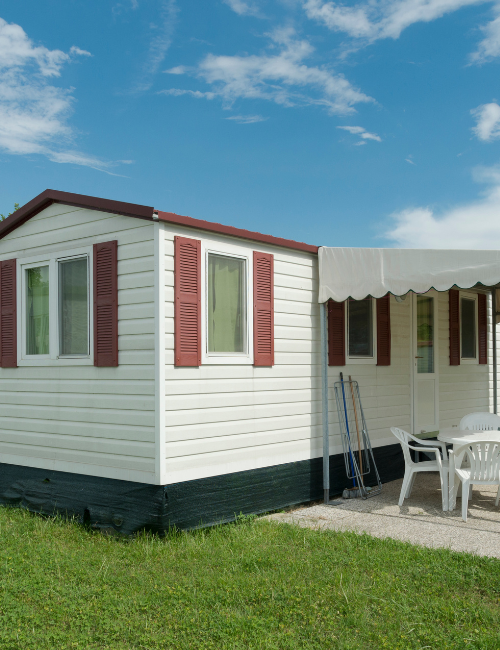
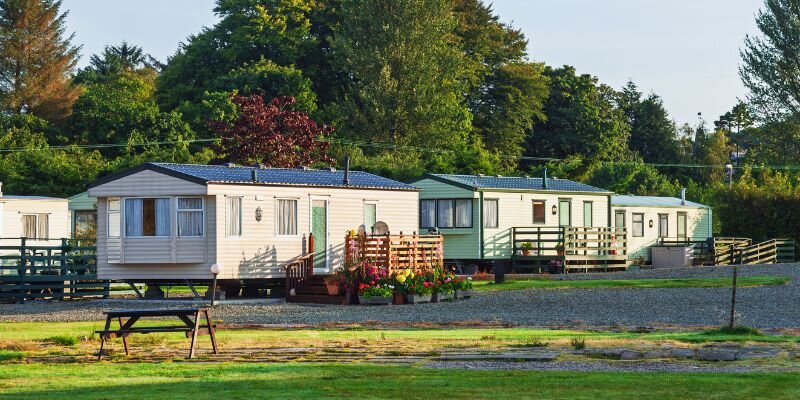
The first step to selling your mobile home is knowing what you actually own. You own the structure, and you lease the land. That means a different approach than traditional real estate, and impacts how your sale is organized. The average sales price for an existing manufactured home in 2025 was around $73,326, though your price will vary widely based on condition, location, park rules and timing.
Unlike typical homes, you also need approval from the mobile home park, which includes credit checks, income verification and compliance with community standards, which can take weeks and sometimes sink agreements. Before you start, have your lease agreement, park rules and transfer procedures in hand. These define who can really buy your home. Some parks have tight financial, age or pet restrictions that limit your buyer pool. Mobile Home Cash Offer specializes in working with park-specific needs like these. They know which parks are easy to get approvals through and which ones are a hassle for sellers.
Understanding Mobile Home Park Regulations and Selling Requirements
Every park has rules. Some are straightforward to transfer and owner-friendly, whereas others are difficult and restrictive. First, evaluate your lease transfer provision. It can include transfer costs of $500 to $2,000 or require the buyer to sign a new lease with revised terms.
Buyer approval requirements also differ greatly. Most parks run credit and job checks, and some require tax records, personal references and even interviews, so it is crucial to pre-qualify purchasers early. Age-restricted communities (55+) and pet laws can also limit your buyer base and, at times, exclude otherwise interested purchasers. Knowing these constraints up front saves you precious effort and bad agreements.
Mobile Home Valuation Methods: Determining Fair Market Price
Pricing a mobile home is different than pricing traditional real estate since you are selling the structure, not the land. Begin with recent sales in your particular park, as homes that sold similarly in the past six months are the best indicator of pricing. If your park doesn’t have comps, then compare similar parks with similar amenities and lot rent.
National averages may be helpful, but they don’t tell the whole story, and local factors matter more. New prefabricated homes averaged around $82,900 in 2025, and existing ones about $123,300 in 2024. A home’s value is greatly impacted by age and condition, and older homes may take a steep price hit. Always add lot rent, transfer fees, repairs and selling charges to your calculation of net proceeds. Cash buyers like Mobile Home Cash Offer can avoid many of these expenditures and increase their ultimate take-home pay.
Timing Your Mobile Home Sale for Maximum Market Value
The optimal time to sell a mobile home is usually late spring through early summer, when market activity and buyer demand are at their peak. Buyers in the spring are usually driven by school calendars and better weather, and want to relocate before the harsh heat or cold weather arrives. If possible, avoid November through February when buyer activity cools, the holidays kill interest, and showings become less attractive.
However, local market conditions can override seasonal tendencies and low inventory in your park can still bring you speedy offers in the winter. Timing will also depend on your condition. If you are in a hurry, you might want to consider getting a slightly lower price and avoiding ongoing expenses such as lot rent, utilities and insurance while waiting for the busy season.
Preparing Your Mobile Home for Sale: Essential Repairs and Upgrades
In mobile homes, first impressions matter most. Buyers usually come with preconceived notions about condition and quality. Start with the curb appeal, power wash the outside, touch up paint and keep landscaping nice. In tight areas, a nice yard makes your home really stand out right away.
Inside, be neat and simple. Deep-clean everything, repaint in neutral colors if necessary, and make sure all appliances work as buyers generally expect. In addition, even if the rest of the property is in great shape, minor things like leaky faucets, noisy doors and burned-out bulbs may make a home feel neglected.
Don’t fix up the place too much. Luxury finishes and other expensive modifications rarely pay off in a mobile home. Focus on minor repairs and maintenance that hold value and make the property feel well cared for.
Required Documentation for Mobile Home Park Sales Transactions
Good documentation will save time and protect both parties, so be sure to have it ready before you list your mobile home. Your title or certificate of origin is your proof of ownership and must be transferred at closing. If it is not present, you may be able to apply for a replacement through your state’s motor vehicle department or housing authority. You should also have your lease agreement, any changes and current park rules, as these set the buyer’s obligations and constraints.
Utility transfer information for power, water, gas and other services helps purchasers plan move-in. Payoff information from your lender is needed if the home is financed. Also, keep any maintenance records and warranties for appliances or major systems. Not only do they prove how well the home has been maintained, but they assist instill buyer trust throughout the sale.
Marketing Strategies for Mobile Homes in Residential Parks
Internet listings attract the most potential buyers, but mobile home marketing takes more detail than traditional real estate. Your ad should include lot rent, park features, age restrictions, pet policies and approval procedures so buyers know up front whether they qualify and avoid wasted showings.
Shots are important, as mobile homes might look smaller or older if not shown properly. Use good, bright shots of inside and outdoor spaces, including the lot and the surrounding area. Target the right target, elderly communities to retirement-focused platforms or family-oriented purchasers for parks near schools and amenities. You can also use park bulletin boards, word of mouth from neighbors, and the approved “For Sale” signage to attract interested local purchasers.
Working with Mobile Home Specialized Real Estate Agents
Not all real estate agents are knowledgeable about mobile home sales, so you want to select somebody with specific experience with manufactured housing and park deals. They should know the approval process, the money issues and the marketing techniques that the general agents would not think about. Ask them how many mobile home/park sales they have done recently. Ask for references to substantiate their experience.
The commission amounts vary. Some agents get 5 to 6 percent, and some get lower rates on mobile homes. This should always be factored into your net proceeds when selecting how to sell. Or if you are looking for an easier, no-hassle option, Mobile Home Cash Offer can acquire the home directly with no commissions or paperwork and close in a couple of weeks.
Mobile Home Inspection Process and Buyer Expectations
Mobile homes, particularly older ones, have different concerns than standard homes, and inspections will concentrate on structural integrity, moisture damage and system functionality. Typical issues include sinking floors, leaking roofs, broken window seals, and HVAC system condition. It’s important to fix obvious problems before you list or have a pre-inspection to avoid surprises during the negotiation process.
Older mobile homes may have electrical and plumbing systems that are not up to modern code, and even if they are grandfathered in, buyers may request modifications for safety or insurance purposes. Another item to consider is your foundation and tie-down systems. Some parks require upgrades to ensure compliance with safety standards. Remember that mobile homes are more susceptible to wear and tear, and the price should reflect the home’s true condition, not a false presumption that an inspection would not reveal anything amiss.
Financing Options Available for Mobile Home Park Purchases
Financing a mobile home is more complex than typical mortgages, so knowing what is available to buyers enables you to attract suitable buyers and structure transactions properly. Chattel loans treat the house as personal property, often with higher interest rates (8-12%) and shorter terms (15-20 years), making it hard for many buyers to qualify.
Most park homes don’t qualify, but FHA loans may be available if the home satisfies certain criteria, like being built after 1976, firmly affixed to a foundation and designated as real property. Cash purchasers also help avoid financing delays and still make up a large part of deals. Companies like Mobile Home Cash Offer offer rapid, definite closings. Another way to extend your buyer pool is through owner financing, which allows for monthly payments but requires proper structuring and legal counsel.
Negotiating Mobile Home Sales Contracts in Park Communities
Special provisions are part of mobile home contracts and are generally not a part of standard real estate contracts. Have contingencies for park permission in case management declines your application, so you can get out. Clearly state what is included in the sale (appliances, window coverings, sheds, outside goods, etc.) to avoid conflicts later.
You also want to ensure the lot rent obligation is handled as part of the approval and closing process, since some parks require it to be paid through the end of the month, regardless of the closing date. Park approvals can take 45-60 days, compared to 30 days for closings, so make sure you build realistic timeframes into the contract. Be strategic up front about how inspection issues will be handled (repairs, credits, as-is, etc.).
Park Management Approval Process for New Residents
Knowing your park’s approval process will help you avoid surprises and delays, so contact management before you list to confirm current requirements and dates. Most parks will require completed applications with credit reports, employment verification and personal references, and some will even involve background checks or personal interviews, so it is helpful to get example applications early on to advise buyers.
Income restrictions vary by park and are usually 2.5 to 3 times the lot rent or a set annual income. This helps you to pre-screen potential purchasers before setting up showings. Buyers should be aware that application fees usually run from $100 to $500 and may or may not be refunded. Processing durations range from a week to over a month, depending on the application’s management and complexity. Plan your closing timetable accordingly.
Mobile Home Closing Process and Final Transaction Steps
Closing a mobile home is not the same as closing an ordinary piece of real estate. Title transfers, lien releases and registration rules varied among states and types of financing. Check that your closing agent has experience with manufactured housing. Mistakes in the documentation might delay closing or cause legal issues.
Some utilities require weeks’ notice, so plan the transfers in advance and have everything switched on the day you close to avoid interruptions. Do a final walk-through within 24 hours to ensure the items listed are still there, and no new harm has been done. All keys, remotes, access devices and documentation for an easy handover.
If you have questions about the closing process or need a faster, simpler sale, reach out to Mobile Home Cash Offer to discuss your options.
Tax Implications of Selling Mobile Homes in Parks

Classification of a mobile home as personal property or real estate determines whether it is taxed as personal property or real estate. This will affect how the sale of the home will be taxed, including possible capital gains tax if you sell for more than your adjusted basis and depreciation recapture if the home was used for rental or business purposes. If either of these applies to you, you’ll have to get a tax professional. Some states additionally tax mobile home transfers with sales tax. So that is something you should have in mind when you are working up your net proceeds. Keep good records on the sale, including closing statements, receipts for renovations you have made, and other associated expenses, so you can report them appropriately and have documentation for the IRS.
Common Challenges When Selling Mobile Homes in Communities
Financing is one of the largest obstacles in mobile home sales, as most purchasers don’t qualify for regular mortgages. Your potential buyer pool is limited to cash buyers or chattel loan buyers. And park clearance procedures can scuttle negotiations even after an agreement is reached because of stringent income limits, credit standards or sluggish processing timelines.
Mobile homes also have limited appreciation potential, as they tend to depreciate, so buyers are more concerned with affordability than equity growth. Competition from new manufactured homes and the continuing stigma associated with mobile home life can also affect demand, so competitive pricing and targeted marketing are vital.
Mobile Home Sale vs. Rental Investment Analysis
If you’re not getting enough out of your mobile home sale, consider holding onto it as a rental. It can provide a continuous cash flow in the correct market. In 2025, average site rents in manufactured housing communities ran from approximately $751 to $841. Increases of around 6 percent are not uncommon. When projecting net income, you need to account for rising lot rents, maintenance, vacancy and management expenditures.
Remember, rental potential is very much a local market and is affected by the property’s condition, so it’s worth checking comparable rents in your region before you move forward. Property management can be tough because tenants still need the park’s approval, and some communities do not permit rentals at all. It is vital to balance the long-term responsibilities and exit issues before taking this course.
Post-sale Responsibilities and Park Community Transition Requirements
Closing doesn’t absolve you of your responsibilities, so make sure you execute all essential notices and transfers to avoid ongoing liability. Some parks may still hold sellers liable for 30-60 days after sale, so notify park management soon after closing with buyer data and confirm lease transfer documents.
Transfer or cancel utilities insurance and services in your name. Avoid surprise expenses and ensure everything is entirely switched before you depart. Empty and remove all personal belongings unless they are part of the deal. Notify the proper organizations of your change of address and set up mail forwarding for vital documents after the sale.
Frequently Asked Questions
How Difficult Is It to Sell a Mobile Home in a Park?
Selling a mobile home in a park is more complex than selling a traditional home, but it’s definitely doable with the right approach. The main challenges are buyer financing limitations and park approval processes, which can take 4-6 weeks. Working with experienced professionals who understand mobile home sales can significantly smooth the process.
What’s the Worst Month to Sell a House?
December and January are typically the worst months to sell any type of housing, including mobile homes. Buyer activity drops during the holidays, and cold weather makes showings less appealing. If you must sell during the winter months, price competitively and be prepared for longer marketing times.
What Is the 3-3-3 Rule in Real Estate?
The 3-3-3 rule suggests that if your home hasn’t sold after 3 weeks, you should reduce the price by 3%, and if it still hasn’t sold after another 3 weeks, reduce it by another 3%. For mobile homes, this rule should be applied more aggressively since the buyer pool is smaller and financing is more challenging.
What Decreases Mobile Home Value the Most?
Age and condition have the biggest impact on mobile home values, followed by park quality and lot rent levels. Deferred maintenance, outdated appliances, and structural issues can dramatically reduce value. High lot rents also deter buyers since they increase the total cost of ownership beyond the purchase price.
Ready to sell your mobile home without the hassle of traditional marketing and lengthy approval processes? Mobile Home Cash Offer provides fast, fair cash offers with quick closings that bypass many of the challenges we’ve discussed. If you want to explore your options without pressure or obligation, they’re worth a conversation.
Helpful Mobile Home Blogs