
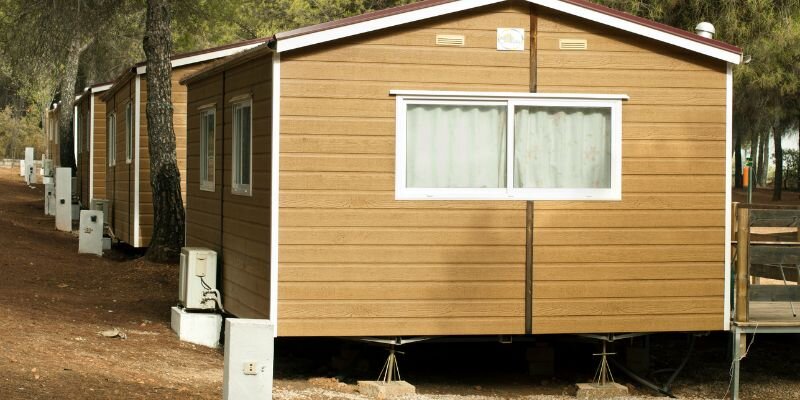
A buyer calls, loves the home and asks for the serial number. You open the kitchen cabinet and find a bare spot where a paper plate used to be. Moments like that stop a lot of Louisiana sales cold, and it doesn’t have to stop yours. The serial number ties your mobile home to its title, its maker and its tax record. Without it, a buyer can’t tell if the home on your lot is the home on your paper. In most cases the fix is a careful search, a phone call or two and a little paperwork. I’ve bought plenty of homes across Louisiana with worn tags and missing plates, and most of them closed just fine once we found the number.
Why a Missing Serial Number Stalls a Louisiana Sale
Paperwork scares buyers more than a soft floor does. Soft floors come with a price tag. Missing paperwork comes with a question mark, and buyers hate question marks.
Think of the number as the VIN on a car. It shows up on the title, on the bill of sale and in a lender’s file. When a Louisiana buyer can’t match the serial number on the home to the one on the title, they can’t be sure who owns it. They also can’t rule out an old loan still tied to it.
Lenders feel the same way. Most won’t fund a loan on a home they can’t identify, so a buyer who needs financing may walk. Even a careful cash buyer slows down, because nobody wants to pay for a home and then learn the title belongs to a different unit two lots over.
Double-wides add a twist. Each section left the factory as its own unit, and the paperwork has to line up with the home as a whole. Put one section’s number on the title and the other’s on the plate, and a buyer who doesn’t handle these often gets confused fast.
Storm history is another worry for buyers in Louisiana. A home that sat through a flood or a hard hurricane season may have been repaired, moved or written off by an insurer. Finding the serial number is how a buyer checks that history before paying for the home.
Here’s the hopeful part. Homes rarely lose every trace of the serial number at once, and you only need one trace to get the sale moving again.
Where to Find the Serial Number on Your Mobile Home
Under the kitchen sink is the first place I look. The data plate, a paper sheet the factory fixed inside the home, is usually there, near the main electrical panel or in the main bedroom closet. Federal rules require it to list the serial number, the model and the date the home was built.
Outside, each section of a home built on or after June 15, 1976 should carry a small metal HUD label near the back end. Each label holds a certification number rather than the serial number. It still helps prove what the home is, so snap a photo of it.

Federal rules also call for the serial number to be stamped into the foremost cross member of the steel frame. Crawl to the front of the home, where the frame begins, and look along that first beam. Rust and paint can hide the stamp, so a flashlight, a wire brush and a phone camera help a lot. Rubbing chalk across the metal and wiping it off can make faint digits stand out. Photograph the stamp from a couple of angles before you write anything down.
One wrong digit can send you chasing the wrong record for weeks.
I once bought a single-wide in Denham Springs where the data plate got tossed during a kitchen remodel. We found the number on a Tuesday, stamped into that front beam under a crust of red mud. It matched the title digit for digit.
Louisiana humidity is hard on paper plates, so check whether yours peeled loose and slipped behind a cabinet or under the sink trim.
Paper records can help too. The old title, the bill of sale from when you bought the home and your insurance policy may each print the serial number in full. So might a loan payoff letter, since the lender needed that number to file its lien.
What the HUD Label and Data Plate Tell a Buyer
Why would a buyer care about a sheet of paper in a closet? It’s the closest thing your home has to a birth certificate.
Every HUD label shows the home was built to the federal code for manufactured homes. Homes built before the code took effect have no label at all, which is one reason older units are harder to finance. Anyone in Louisiana who plans to borrow will usually be asked for the label or a letter that stands in for it.
The data plate goes further. It names the factory, the model and the serial number, and it lists the wind and roof load zones the home was built for. The plate even lists the HUD label numbers, which links every piece of the home’s paperwork together.
Buyers moving a home toward the coast look hard at the wind zone. Homes have to fit the wind rules where they get set up, so a buyer planning a move south will check that zone first.
Insurers in Louisiana look at the same papers. An agent quoting a policy on a used home will usually ask for the year, the maker and the serial number before giving a rate.
I’ve watched buyers walk away from a clean double-wide because the plate was gone and nobody had checked anywhere else.
Ten minutes with a flashlight would have kept that sale alive.
How to Get Copies of a Lost Data Plate or HUD Label
Losing the plate isn’t the end of the road. The Institute for Building Technology and Safety keeps records on homes built under the federal code. It can send a copy of the original data plate, or a verification certificate when no plate is on file.
The same group writes a label verification letter. This letter can stand in for missing HUD labels, which matters because a lost label generally can’t be reissued. Lenders, insurers and Louisiana parish offices tend to accept the letter in its place.
Have what you know ready before you ask. Bring the maker, the model year, the HUD label number from any tag that survived and any part of the serial number you could read. Even a partial number from the frame, paired with the maker’s name, can go a long way toward pulling the full record.
Plan on a short wait for the paperwork to come back.
Older homes are the exception. If your home was built before the federal code took effect, these records won’t exist, so the title, old receipts and parish records will have to carry more of the weight.
Starting early pays off here. Ask for the copy before you list the home rather than after a buyer asks, and you’ll have it in hand when the first serious call comes in.
How to Check Your Louisiana Title and OMV Records
Once you have a number, or even part of one, the Office of Motor Vehicles is your next stop. OMV keeps the title record for a Louisiana mobile home that’s still treated as movable property. Bring your ID and whatever paper you have, and ask what serial number sits on the title in the state’s file. Know the names on the title too. If a parent or former spouse is still listed, OMV will tell you what it needs from them before the home can pass to a Louisiana buyer.
One visit answers a lot. It shows whose name the home is in, whether a lienholder is listed and whether the serial number on file matches the home on your lot. If your paper title is lost, ask what it takes to replace it while you’re there.
No number anywhere? Call OMV before you list the home. The office may want an inspection, a sworn statement or other proof, and the answer depends on your home’s history. Write down who you spoke with, the date and what they told you. Louisiana OMV offices can get busy, so calling ahead to ask which papers to bring can save you a second trip.
Fix a mismatch early. Something as small as a typo on an old title, or a number from the wrong section of a double-wide, is far easier to correct before a buyer is waiting on it.
When the Home Is Immovable Property in Louisiana
Some Louisiana owners never had a title at all, and that can be normal. State law lets an owner declare a mobile home immovable, which makes it part of the land like a site-built house.
An owner does this by filing an act of immobilization with the Louisiana Office of Motor Vehicles. The packet includes the original title or the maker’s certificate of origin, a bill of sale and a vehicle application. Once the home is declared immovable, OMV doesn’t issue it a certificate of title.
So you look somewhere else. Your act of immobilization describes the home the way the factory papers did, so your copy may carry the serial number. Many Louisiana owners who bought land and home together never knew an act was filed at all. If you can’t find your copy, an attorney or title company can help you track down the recorded act.
It also changes how the home sells. An immovable home usually transfers with the land by deed, the same way a house does.
Moving the home off the land to sell it alone takes one more step. The act has to be undone first, and that step gets recorded with the parish clerk of court. OMV then asks for its own set of papers before the home can carry a title again.
Can You Legally Sell Without a Serial Number in Louisiana?
Selling the home isn’t the hard part. Handing over a clean title is.
Every Louisiana buyer needs to end up with a title in their name, or a recorded deed if the home is immovable. If the serial number on the title can’t be matched to the home, that transfer can stall. Plenty of buyers won’t take that risk, and the ones who will expect a lower price.
Never sign over a title with a serial number that doesn’t match the home in front of you.
That mistake can follow you for years. Someone else may later claim that title, and the trail leads back to you. Fix the record first, or work with a buyer who’ll help you fix it before closing.
Homes headed for salvage are a different story. An old unit that will be torn down still needs clear ownership, though the buyer cares far less about labels and load zones.
If the record is truly tangled, a short talk with a Louisiana attorney is money well spent. Bring every paper you have and ask about the home’s title history and any liens before you sign anything.
Paperwork That Proves You Own the Home
Owners who kept every scrap of paper have an easier time. Gather it all in one folder, even the pieces that look useless.
At the top of the pile sit the title, the maker’s certificate of origin and any act of immobilization. Next come the bill of sale from when you bought the home and any lien release from a paid-off loan. Each can carry the serial number, and each shows the home passed through your hands.
Softer papers still count. Louisiana parish tax bills, insurance policies, utility hookup records and photos of the home on your lot all show a pattern of ownership. Together they can back up a sworn statement if OMV asks for one.

Old lot leases help too. Any park that rented you a space for years has your name and often the home’s details in its file.
My advice is simple. Make copies, keep the originals safe and hand a buyer the copies. Gaps in the folder aren’t fatal, either. Note what’s missing, and a buyer can plan around it rather than guess. Sellers who show up with a full folder get taken more seriously, and the sale moves faster.
What a Missing Serial Number Does to Your Louisiana Sale Price
New homes set the ceiling for used ones. In June 2026 the average new single-section home sold for $80,900, and the average new double-section home sold for $162,900, per the Census Bureau’s manufactured housing survey.
Fewer new homes are landing in the state right now. Louisiana took 354 new homes in April 2026, down from 464 a year before, according to the Manufactured Housing Institute. Fewer new units keep used homes in demand with buyers who want to move in soon.
Missing paperwork cuts into that demand. Older Louisiana homes take the hardest hit, since they’re the ones most likely to have lost a plate or a label over the years. Buyers who need a loan drop out, and the ones who stay price in the risk and the legwork. The worse the paper trail, the bigger that cut tends to be.
Sellers still win or lose on condition and location. A tidy home in a well-run Louisiana park sells on its looks and its lot rent, and a home on its own land sells on the land too.
Finding the number before you list is the cheapest way to protect your price. Once the serial number matches the title, your home competes like any other used home in Louisiana.
Should You Sell to a Cash Buyer or List the Home?
Listing works best when the paperwork is clean. An agent or listing site will want the title, the serial number and photos up front, and many buyers who answer an ad plan to borrow.
You can also hand more of the load to a cash buyer who works with mobile homes. At Mobile Home Cash Offer, we’ve tracked down serial numbers on frames, in old loan files and through data plate copies, and we fold that legwork into the sale. We buy across Louisiana, from park homes to homes on family land. You can read how our process works before you call.
Cash also takes the lender out of the picture. There’s no appraisal, no loan file and no underwriter asking for a HUD label you don’t have.
Some Louisiana sellers need speed, too. Owners moving for work, settling an estate or leaving a park often can’t wait on a buyer’s loan. A cash sale lets the paperwork search happen on a timeline you set.
Price is the tradeoff. Listed homes with clean paper may bring more, and a home with a missing serial number may bring less from anyone. To see both paths side by side, you can list your mobile home with us or ask our team of cash home buyers in Louisiana for an offer.
Steps to Close the Sale in Louisiana
The last stretch is mostly paperwork and patience. Confirm that the serial number on the bill of sale matches the title and the home itself, character for character.
Clear any taxes the parish has billed on the home, and get a written payoff from any lender still on the title. Many sellers sign in front of a notary, and OMV can tell you whether your transfer needs one.
Renting your lot? Tell the park manager about the sale early, because the park may need to approve a buyer who plans to stay. If the buyer is moving the home instead, put the move-out date in writing so nobody ends up owing extra lot rent.

A daughter selling her late father’s double-wide in Thibodaux called us sure the serial number was lost for good. She found it on an old insurance card tucked inside a coffee can in the shed, right next to the title. We closed the following week without a single extra form.
After closing, the buyer takes the signed title and paperwork to OMV to put the home in their name. Keep copies of everything you signed, along with any receipt for taxes you paid.
Questions sometimes come up months later. When they do, that folder answers them in minutes.
Selling a Louisiana mobile home with a lost serial number takes more legwork than a normal sale. It rarely takes more than that.
Serial Number Questions Louisiana Sellers Ask
Can I sell my mobile home in Louisiana if the serial number is worn off?
Yes, you can sell it, though a buyer will want proof the home matches its title. Check the frame, your old papers and the state’s records first, since the missing digits usually turn up in one of them. If they don’t, ask OMV what proof it needs before you list.
Is the HUD label number the same as the serial number?
No, they’re two different numbers. The HUD label carries a certification number for one section of the home, while the other number identifies the home itself. Both help, and a copy of the data plate links them together.
Who can look up my mobile home’s serial number for me?
You can ask the state’s motor vehicle office, the lender on any loan you’ve had on the home and your insurance agent. The group that keeps federal records on manufactured homes can also send a copy of your data plate. Have the maker and model year ready when you call.
Will a missing serial number lower my cash offer?
It can, because the buyer takes on the work of proving what the home is. Finding the number yourself before you ask for offers is the simplest way to protect your price. Local buyers who handle this often in Louisiana may still make a fair offer and do the legwork for you.
How long does it take to get a copy of a lost data plate?
The wait depends on the records office and on how much you know about the home. Requests that include the maker, the model year and a label number tend to move faster. Ask for the copy before you list, so the wait never holds up a sale.
Do I need a lawyer to sell a mobile home with no serial number?
You may not, if the number turns up and matches your title. Legal help matters most when the title is lost, names don’t match or a lien is still on record. A short consult costs far less than a sale that falls apart at closing.
If the serial number hunt has you stuck, we’re glad to help you look. Mobile Home Cash Offer buys mobile homes across Louisiana as they are, paperwork puzzles included. Call 214-444-6375 or reach out here for a no-obligation cash offer, and we’ll go through what you’ve found together.
Helpful Louisiana Blog Articles