
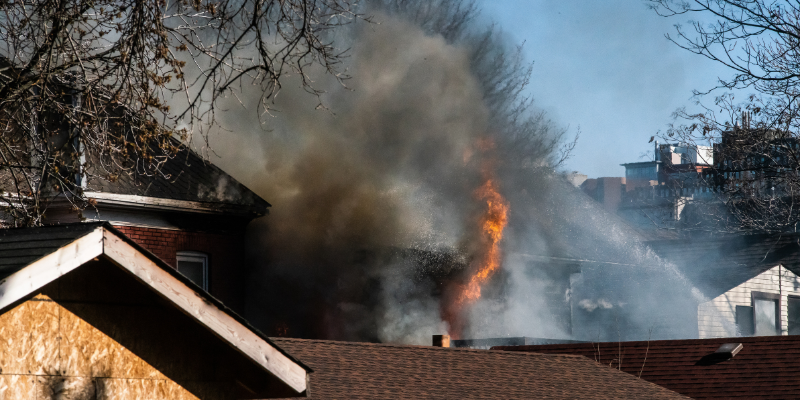
The smell hangs on for weeks. Even after the fire trucks leave, you open the door and it hits you, along with black walls, wet carpet and a roof you can see daylight through. Owners in that spot ask the same thing first: can I sell this place, or am I stuck with it? You can sell it. Fire damage changes who buys and what they pay, and knowing how that works puts you back in charge.
Can You Sell a Mobile Home With Fire Damage?
Yes. People sell burned mobile homes every week, from a kitchen fire that blackened one room to a home that’s mostly a shell. The difference is the buyer. Families looking for a move-in home won’t touch it, and most lenders won’t finance it.
That leaves cash buyers. Investors, local handymen and companies like Mobile Home Cash Offer buy homes with fire damage because they can fix them or salvage them. Each of them does the same math, starting with the cost of repairs.
Selling doesn’t have to wait for the insurance claim to wrap up, though it helps to know where the claim stands.
A few winters ago I bought a single-wide in Shawnee, Oklahoma, after a space heater caught the living room curtains. The back bedroom was barely touched, but the smoke had gotten into every closet. Its owner just wanted it gone so she could settle the lot rent and move on.
Safety First After a Mobile Home Fire
Don’t go back inside until the fire department says it’s safe. Burned floors give way, and a weakened roof can drop without warning. Ask the fire crew whether the power and gas are shut off, and keep them off until someone qualified checks the lines.
Get a copy of the fire report as soon as it’s ready. Insurance companies want it, buyers ask for it, and it settles questions about what started the fire. Most fire departments can tell you how to request one.
Take photos and video of every room before anything gets moved. Shoot the outside too, including the roof, the skirting and anything melted near the home. Those pictures help with your claim and give buyers a clear look at the fire damage later.
Wear a mask when you go in for belongings, since soot and ash irritate your lungs. Secure what you can after that. Board up broken windows, cover roof holes with a tarp if it’s safe, and lock the doors to keep out scrappers.
If the home sits in a park, let the manager know what happened the same day.
How to Size Up the Fire Damage
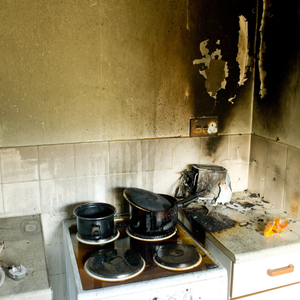
Think of it in three layers. Smoke and soot coat things, and a deep cleaning can sometimes fix that. Heat damage warps windows, melts wiring and cracks fixtures. Burned framing, floors or roof trusses are structural, and that’s where repair bills climb fast.
Water is the hidden part. Firefighters can pour a lot of it into a small home, and soaked floors and insulation start growing mold within days. Fire damage plus wet walls means two problems, and our guide to selling a mobile home with mold issues covers that second one.
Age matters too. Federal construction rules for manufactured homes, called the HUD Code, took effect on June 15, 1976, and fire safety improvements were added in 1984, according to HUD’s history of the program. An older home with serious fire damage is often worth more as salvage than as a repair job.
Ask an adjuster or a contractor who works on manufactured homes which layer you have. Get that opinion in writing.
What Insurance Pays and Who Gets the Check
Call your insurer and report the fire damage right away. Fannie Mae’s guide to insurance after a disaster lists fire among the losses that are often covered. It also notes that the claim check usually carries both your name and your loan servicer’s name.
So what happens with that check? If you have a loan on the home, the lender has a stake until it’s paid off. United Policyholders explains that the dwelling check names the lender, while personal property and living expense money should be paid to you alone. Lenders often release repair money in stages as the work gets done.
Keep a log of every call and visit from the insurer, and make copies of anything the adjuster gives you. That folder speeds up the claim and the sale.
Selling changes the picture. When you sell instead of rebuilding, the insurance money and the sale money together usually pay off the loan. Tell your lender early that you plan to sell, and ask how they’ll handle the claim funds at closing.
Taxes rarely help here. Since 2018, the IRS allows a personal casualty loss deduction only when the loss comes from a federally declared disaster, according to IRS Topic 515. A house fire on its own usually doesn’t qualify.
Repair or Sell After Fire Damage
Put three numbers side by side: the cost to fix it, what the home would sell for once fixed, and what a buyer will pay today. When the first two are close, fixing it makes little sense.
New homes set a ceiling on what anyone will spend. The average new double-section home in the country sold for $162,900 in June 2026, according to Federal Reserve Bank of St. Louis data. Nobody will pour close to that into an older burned home when a new one is on the table.
Repairs also take time you may not have. Lot rent, loan payments and storage costs keep coming while contractors are booked out. Not every contractor works on manufactured homes either, and fire damage repairs often need windows, doors and panels made in mobile home sizes.
I’d rather see an owner take a fair offer and keep the insurance money than spend a year rebuilding a home worth less than the repairs.
What to Tell Buyers About Fire Damage
Put everything you know in writing. List which rooms burned, what the fire report says caused it, and whether there’s water damage or mold. Hand over the photos, the adjuster’s notes and any repair quotes. Mention any earlier repairs or past fires too.
Buyers who see the full picture make cleaner offers and are far less likely to come back later with complaints. Disclosure rules differ from state to state, so if you’re unsure what yours requires, ask a real estate attorney or the agency that handles manufactured home titles where you live.
An open insurance claim usually stays with you, not the home. Ask your insurer before closing what happens to any money still owed on the claim.
Skip the urge to paint over smoke stains before a buyer visits. It looks like you’re hiding fire damage, and it costs you trust you can’t buy back.
How Buyers Price a Mobile Home With Fire Damage
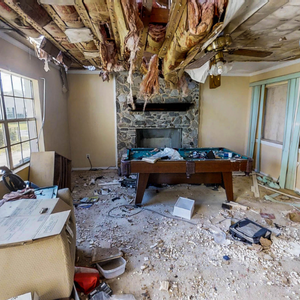
Every burned home gets valued from what it would be worth fixed. From there the buyer subtracts the repair cost, the cleanup, hauling and a cushion for surprises behind the walls. Smoke has a way of turning up in places nobody looked.
A home where the fire damage stayed in one room may bring a fair price. One with a burned roof or frame may sell for little more than its salvage value, or the value of the lot space it holds.
Cleanup alone adds up fast once a dumpster and a crew get involved.
People still want this kind of housing. Factories shipped 9,221 new manufactured homes nationwide in April 2026, according to the Manufactured Housing Institute’s April 2026 report. Some fire-damaged homes get replaced with one of those new units, which is why a park space or a lot of land can still carry value.
Cash Offers for a Fire-Damaged Mobile Home
Listing a burned home rarely works. Buyers who need a loan can’t get one, and showings in a smoky home go badly. A cash sale skips both problems.
Good cash buyers walk the home, explain the offer and close when you’re ready. You don’t clean, repair or haul anything. Mobile Home Cash Offer buys homes with fire damage in several states. You can sell your mobile home for cash in Texas or sell your mobile home for cash in Indiana the same simple way.
Ask any buyer how they’ll handle the lender and the claim money at closing.
Last fall I walked a double-wide in Kokomo, Indiana, where a dryer fire had gutted the laundry room and scorched the hallway. The kitchen still had dishes in the drainer. We bought it as it stood, and the owners used their insurance money toward a new place across town.
Fire Damage Questions Mobile Home Sellers Ask
Do I have to fix anything before I sell?
No. A cash buyer will take the home as it is. Just make sure nobody is at risk walking through it and that the buyer knows what happened.
How do I know if the home is a total loss?
Your insurance adjuster makes that call for the claim. Buyers look at it differently and ask whether the repairs cost more than the home would be worth fixed.
Can I sell the home if it’s in a mobile home park?
Yes, but talk to the park manager first. Many parks set rules for damaged homes, and some want a burned home removed by a certain date.
Should I remove my belongings first?
Take anything you want to keep once the fire department says it’s safe, and photograph valuables for the claim before you move them. You can usually leave the burned furniture and debris for a cash buyer to clear.
How fast can I sell a mobile home after a fire?
A cash sale can close within a few weeks once you have the ownership papers and the fire report. Waiting on a lien release or a park approval adds time.
Will I owe taxes when I sell a fire-damaged home?
Probably not, if you lived there and sell for less than you paid. The home sale exclusion in IRS Topic 701 covers most owners who meet the use test. Ask a tax preparer if the land has gone up in value.
If you’re facing a home with fire damage and want an easy way out, Mobile Home Cash Offer can help. Call us at 214-444-6375 or contact us here, and we’ll make a fair cash offer with no pressure and no repairs on your end.